Skip to content

Blog

find.software at research software day in Berlin 2026

We Went Looking for Software People and Found Them in One Backyard in Berlin

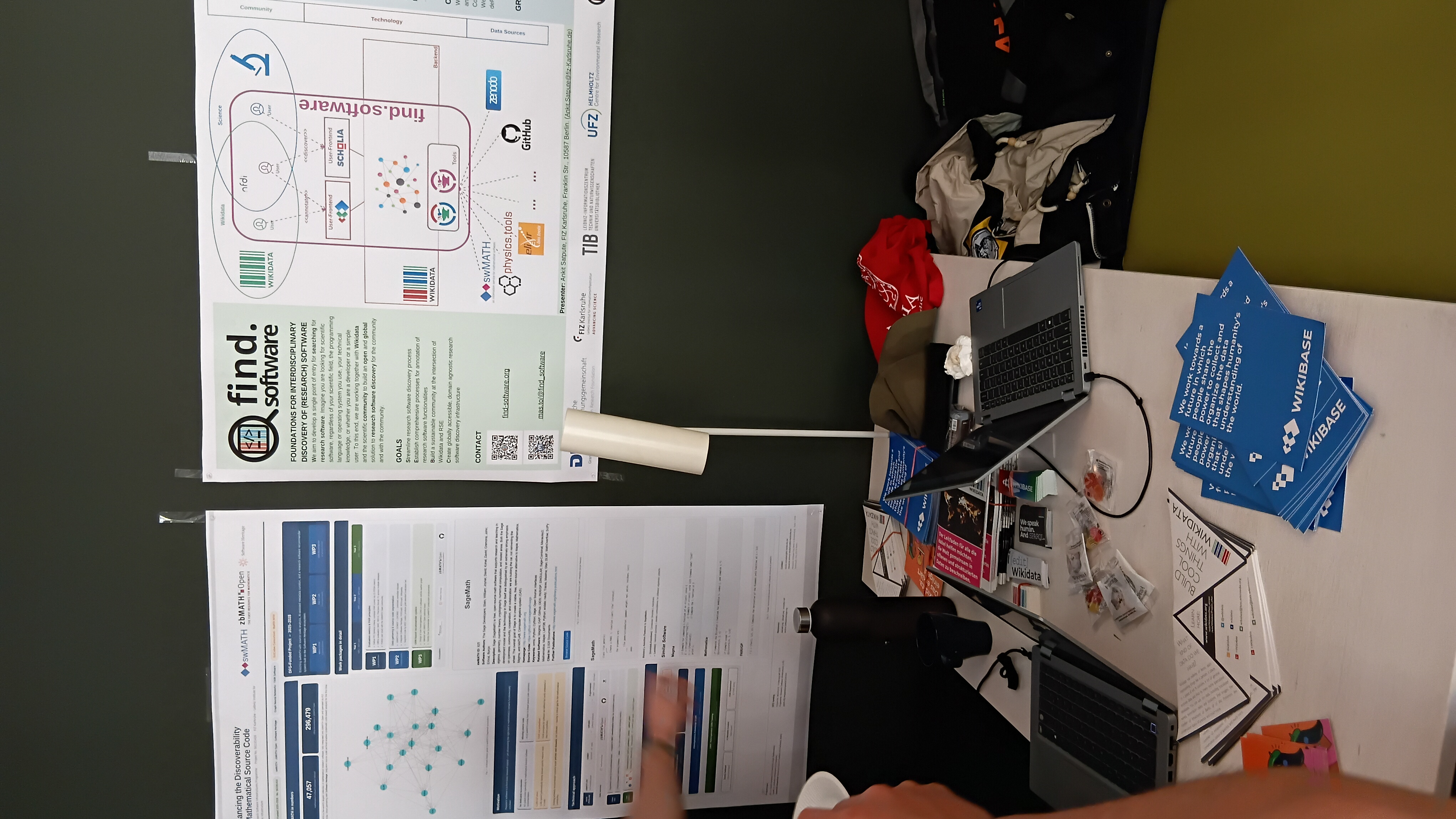
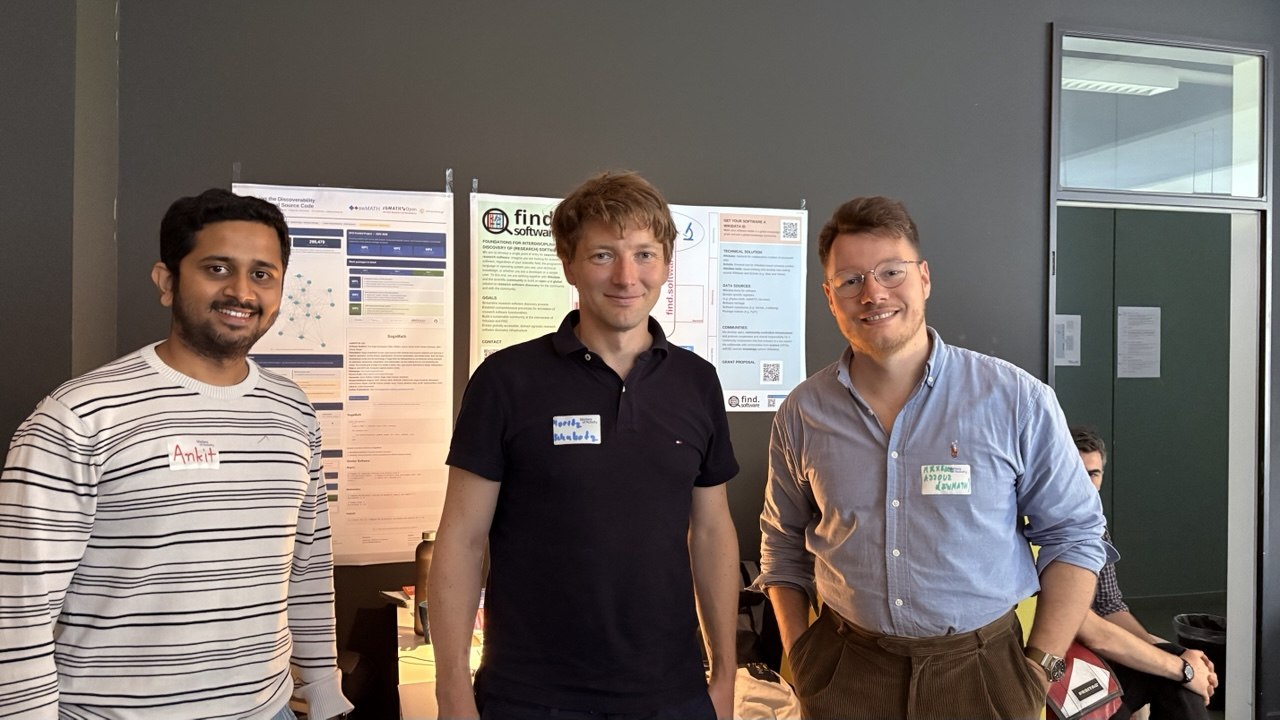
On June 3 2026, the First Research Software Day Berlin & Brandenburg took over the Matters of Activity lab, and we (Ankit Satpute, Maxence Azzouz-Thuderoz, and Moritz Schubotz) showed up with a poster, a stack of optimism, and one question we never get tired of asking: How do you (researchers) find the software you need? Spoiler: mostly they don't, and share their difficluties, which motivates us more to work on building find.software.

Poster booth life

We shared a booth with excellent company, Wikimedia. Since Wikidata is going to be the backbone of find.software, we talked about how to stay in touch with the Wikimedia developer community in Berlin so when we get stuck somewhere in the knowledge graph, we'll know exactly whose door to knock on. Politely :) With coffee!

Coversations made the day

  • In the "how do you find software?" tour we talked to researchers from different disciplines about their discovery struggles. Stories varied, their frustration didn't, which we note and something we keep in mind while designing find.software.
  • AI on top? Several visitors asked the thing, 'unprompted': "What would find.software look like with an AI layer on top?" As search engines everywhere now summarize results before you can even blink. It's valuable feedback, and defines one of our user needs.
  • New friends at ConOSS. We met the Connected Open Source Software (ConOSS) team member, who work on consistent, machine-processable metadata for research software. Their metadata enrichment and our Wikidata-based discovery overlap, better metadata in, better discovery out. We're looking forward to collaborate.
  • Got motivated from Code Reviews. We learned about code review for research software via the DHTech Code Review Working Group, which offers collaborative review for in-progress research software. We plan to use it.

Takeaway

A one-day event, a three-person team, and a notebook full of ideas. Not bad eh!

Slides from the day are collected on Zenodo, and the full program with abstracts is here.

See you at the next one and hopefully with a working prototype.

Proof that it hapenned
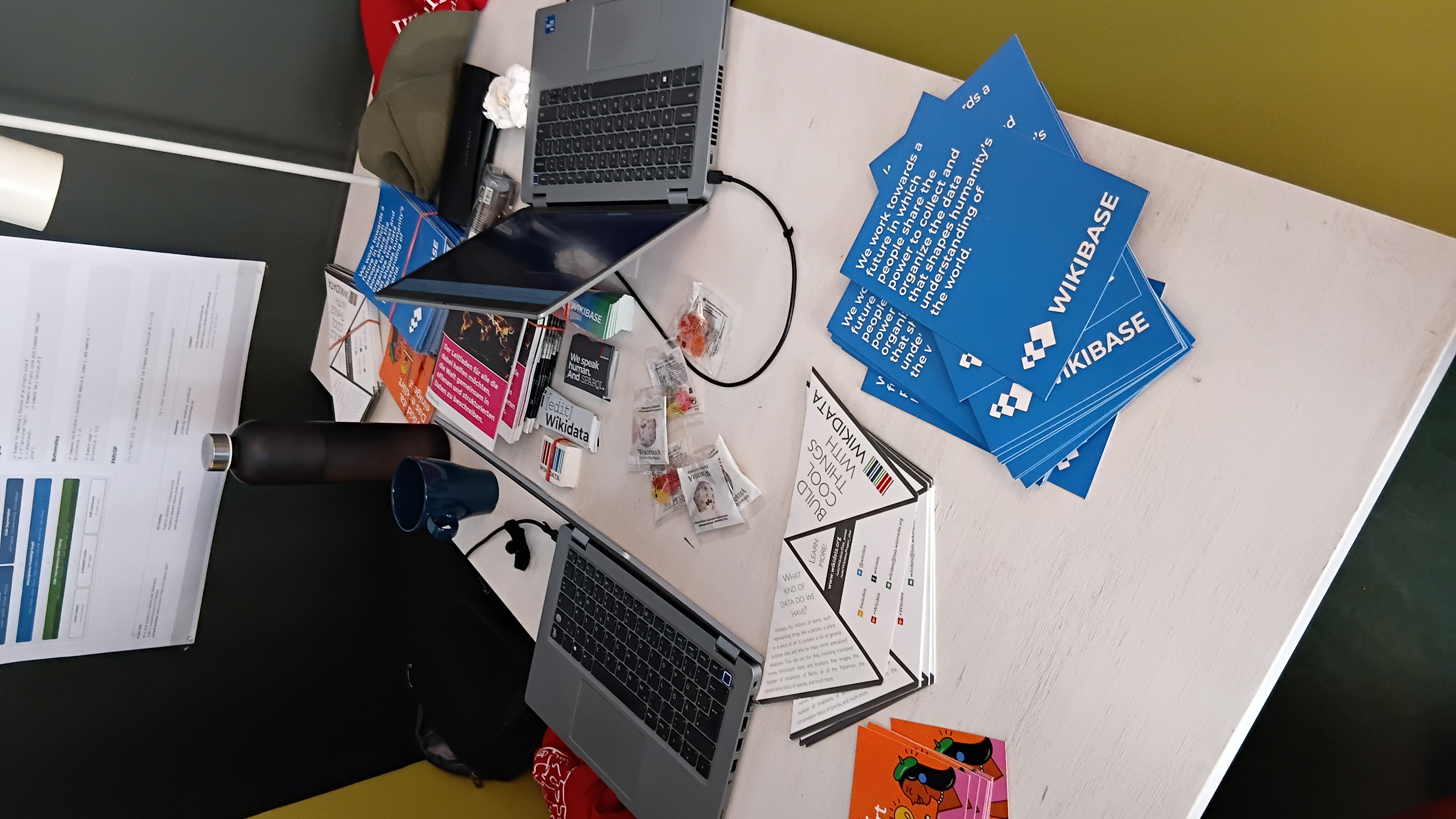
Image Image Image

find.software at deRSE collaboration workshop

We'll be participating at this years deRSE collaboration workshop in Göttingen. The call for participation deadline is reached and here is what we proposed as a joint effort with other research software infrastructure projects:

We're happy if you'd join or spread the word.

Get your software a Wikidata ID! Why Software Developers Should Add Their Projects to Wikidata

Wikidata is a free and open knowledge base for structured data mostly known from its use across Wikipedia and other projects in the Wikiverse. Adding your software to Wikidata by creating a Wikidata item for it offers many benefits for both, developers and users. The software will be discoverable in a globally accessible database which improves visibility not only on Wikipedia but also in search engines that rely on the structured data Wikidata provides. Further, Wikidata offers a rich set of metadata such as version history, licensing, programming languages, and dependencies. Its bots complete missing metadata on a regular basis.

Developers can link their software to dependencies, related projects, research, and standards using semantic relationships. This interconnected data helps users understand the software’s context and ecosystem. For research software, being in Wikidata makes it more likely to be cited. Wikidata support multilingual labels and descriptions, helping to reach a global audience. Your software can appear in curated lists and comparisons, such as open-source artificial intelligence software or computational chemistry software.

Users benefit from reliable, machine-readable information about your project. They access details like release dates, supported platforms, and official documentation. Integrations with tools like Scholia generate automatic dashboards for software impact and usage in the research landscape. The SPARQL query service allows anyone to explore software datasets interactively.

In addition to the benefits for individual developers or users, the true power of Wikidata lies in its open and community driven approach. Being part of Wikidata future proofs your project’s metadata in a community maintained ecosystem with community contributions, such as translations, updated links and added semantical relationships to functionalities or papers, datasets and projects your software was used for.

Adding an item takes only a few minutes using the Wikidata interface or automated tools and it adds your software into a global knowledge graph. Just do it.

find.software KickOff at UFZ

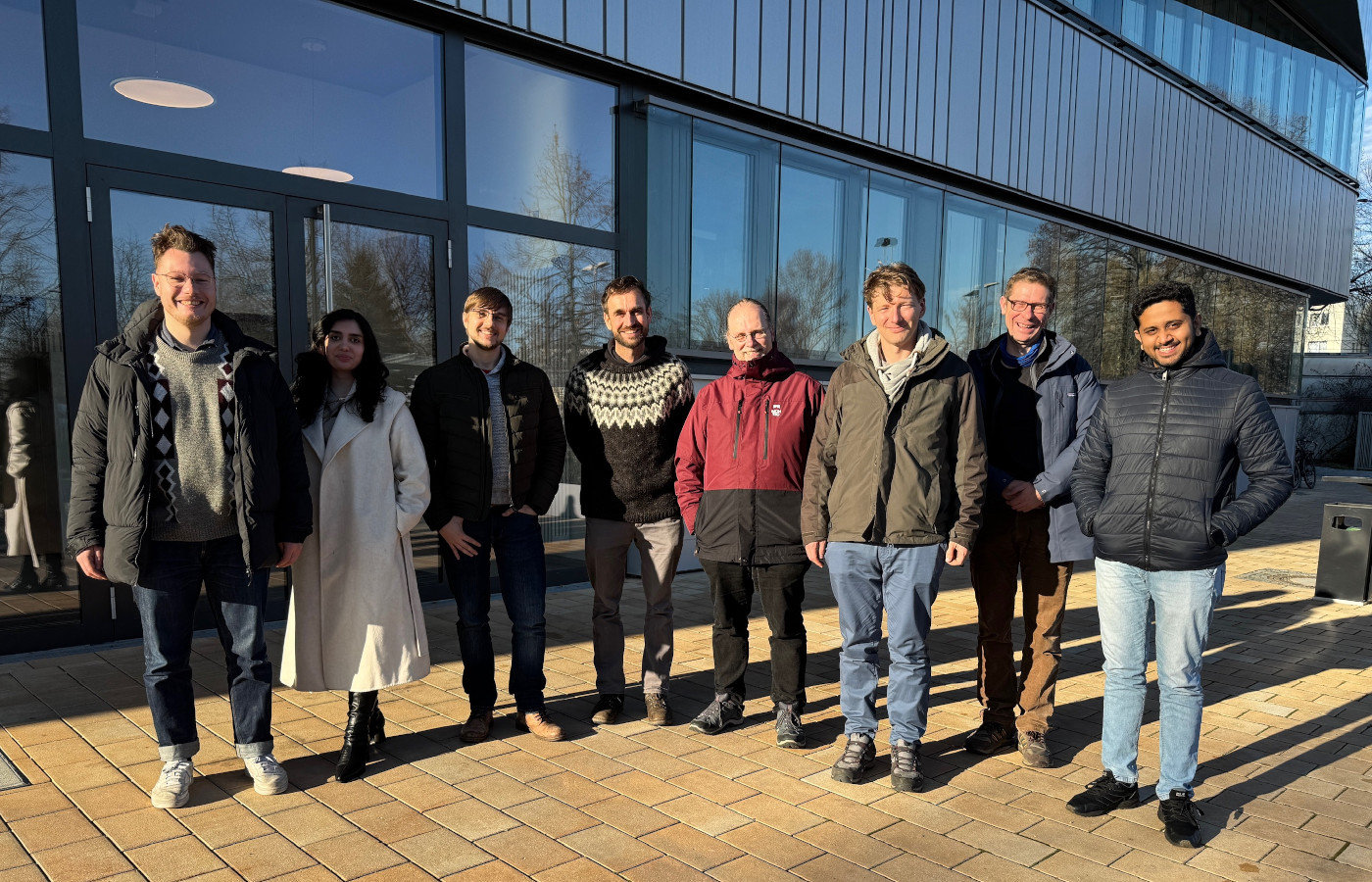
On Dec 04th 2025, we kicked of our project in Leipzig at UFZ. Nothing crazy happend, we mainly talked about project's organisation and management. We also touched some of the first tasks we will be working on starting in January 2026. In March 2026, we will present our project at the deRSE26 in Stuttgart.

First blog post - DFG grant received

This is a our first blog post. And it already starts with good news. Our DFG proposal find.software: Foundations for Interdisciplinary Discovery of (Research) was approved by the DFG somewhen in August 2025. In the moment, our team consists of Daniel Mietchen, Jan Bumberger, Moritz Schubotz, Oliver Karras and Ronny Gey. One of the first tasks was to set up a project website. And here we go. We use the material theme theme with mkdocs hosted on GitHub. We also try to tooth here and then on Mastodon: mas.to/find_software.